
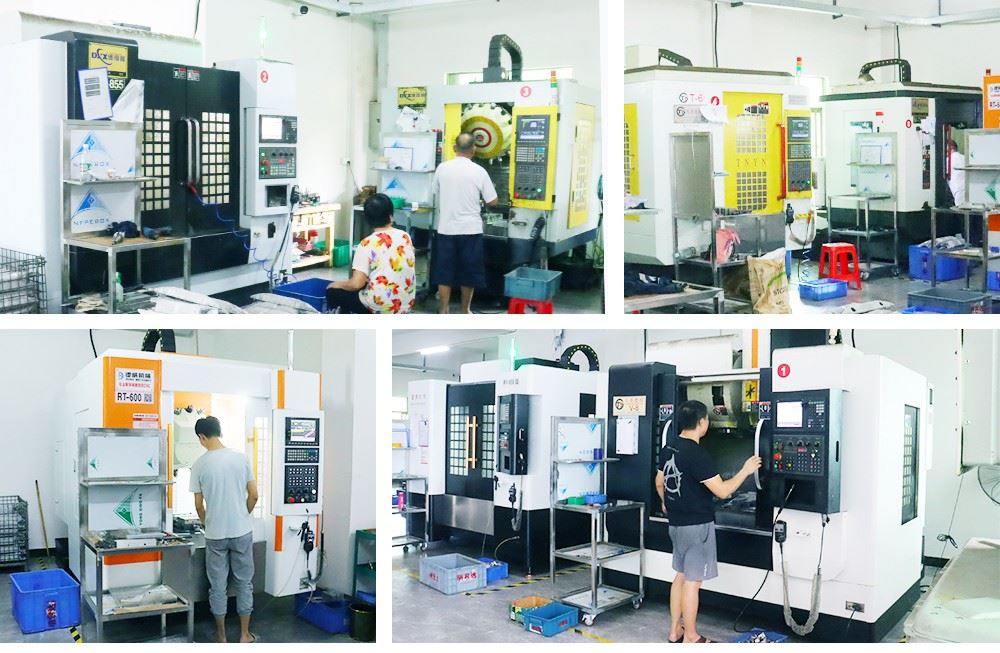
CNC machining has reshaped modern‑day metal component manufacturing for industrial buyers across the world. Many project managers and sourcing engineers switch from traditional manual machine shops to CNC‑based production, and there are practical real‑world reasons behind this shift.
Ultra‑High Precision & Consistent Component Quality
When parts are produced via digital programmed CNC equipment, human‑caused errors get largely removed from the manufacturing process. Precision can reach 0.01 mm on most of our metal components. With conventional manual machining, final dimensions heavily depend on operator skill, which often brings subtle deviations between batches. With CNC, once the program is locked in, every metal part comes out with consistent size, geometry and tight tolerances. This reliability matters a great deal for automation hardware, instrumentation and mechanical assemblies that cannot tolerate inconsistent dimensions.
24‑Hour Production And Flexible Order Capacity
CNC machines are capable of running around‑the‑clock. They only stop for tool changes, routine maintenance or part‑loading work. After you finalize your CAD files and processing parameters, the machine repeats the whole machining workflow automatically. It handles one‑off prototype work, small‑batch trial runs and large‑volume orders equally well. We often adjust our production schedule quickly to match customers’ fluctuating order quantities.
Complex Geometries In A Single Setup
One clear benefit you cannot get from older manual equipment is the ability to build complex geometries. Working alongside 3D design files, CNC turning and milling machines produce curved surfaces, multi‑feature and irregular‑shaped metal pieces that would otherwise need multiple separate operations. Fewer clamping steps mean less accumulated tolerance loss, which works great for custom non‑standard metal parts.
Lower Labor Overhead And Shorter Lead Times
Labor overhead is another practical factor for buyers. Manual lathes usually require one skilled worker for each individual machine. With CNC setups, a single technician can oversee several machines at the same time. We only need experienced engineers to prepare programs from customer drawings. Lower labor costs translate into more competitive pricing on finished custom metal parts, alongside shorter overall lead‑times.
Overall Cost Control For Bulk Orders
Running CNC‑driven production also helps control overall project costs. Higher finished‑product yield cuts raw‑material waste and reduces rework expenses. For repeat bulk orders, these cost‑saving advantages become even more noticeable and help customers keep component procurement budgets under control.
Safer Workshop Environment
Workshop safety also improves significantly. Operators on traditional machinery stand very close to spinning cutting tools, which creates real injury risks. Most CNC machines have fully enclosed work chambers. Staff perform part loading and operate control panels away from cutting zones, lowering common workshop safety hazards.
Archived Programs For Faster Repeat Orders
A big plus for long‑term cooperation: machining programs based on your CAD drawings can be safely archived. After sample validation, we can pull up those existing files directly for repeat orders. There is no need to redo programming or re‑tune machine settings, so follow‑up orders ship much faster for our returning clients.
Simple Maintenance, Minimal Downtime
Daily equipment maintenance is straightforward too. Most of the regular work comes down to replacing worn cutting tools. Complicated overhauls happen infrequently, so production downtime stays minimal.
Wide Material And Application Versatility
CNC machining supports a wide range of metal stock: aluminum alloy, stainless steel, carbon steel, copper and more. The parts we make cover automation accessories, new‑energy hardware, instrument housings and general precision mechanical components. We can add simple fixtures to further speed up production for certain projects.
Standardized Workflow, Less Quality Back‑And‑Forth
No manufacturing method is completely error‑free. Even CNC work still requires careful pre‑production checks and final dimensional inspection. But standardized programmed workflows greatly lower human‑origin defects. Multi‑step quality checks before shipment keep reject rates low and reduce back‑and‑forth communication between buyers and manufacturers.
Conclusion
For custom‑made metal parts, CNC machining delivers tangible advantages in precision, output flexibility, complex‑part capability and cost control. That explains why so many global industrial purchasers choose CNC‑based custom manufacturing.
If you hold CAD drawings and want reliable custom metal‑part manufacturing, send your files over. We will give you a practical proposal and clear quotation for prototypes or volume‑run production.